I remember the Ruiru of my childhood in vivid fragments. Long stretches of dusty paths framed by dense shrubs and thorny bushes. Herds of goats crossing at random. Boys darting through the fields in pursuit of hares with makeshift slings and youthful thrill. Where the Eastern Bypass now snakes through, we once swam in shallow, muddy streams, undisturbed by the thought that these waters would someday give way to tarmac and traffic.
Each village had its own naming logic. Matopeni got its name from the endless layers of mud during the rains. Kwihota was a declaration of self-reliance. Mwihoko reminded residents not to give up hope. “Prisons” emerged by sheer proximity to the correctional facility nearby. The names were not just locational tags. They were affirmations, encapsulating the lived realities of Ruiru’s people and places.
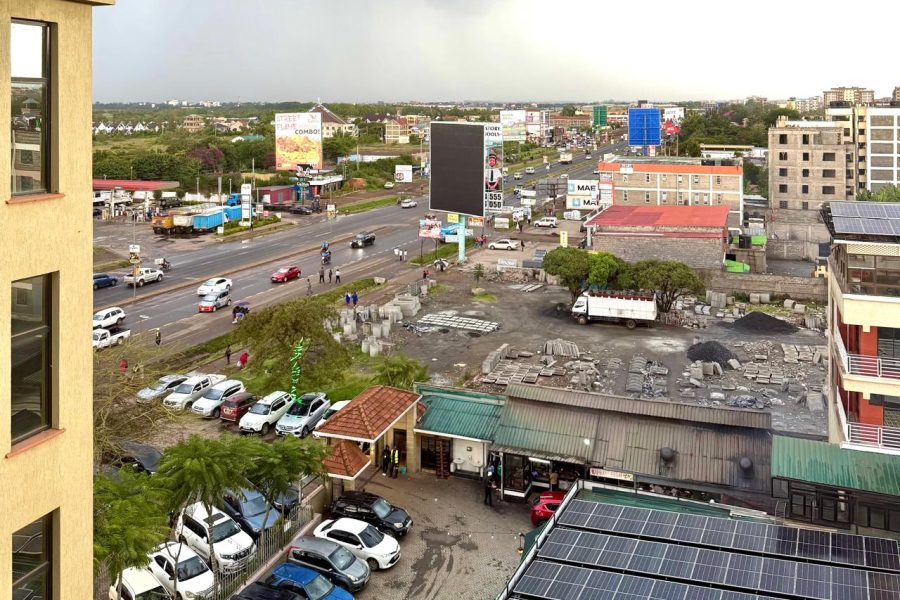
That Ruiru, distant and almost forgotten in Nairobi’s planning blueprint of the 1990s, began to shift in tempo as the new millennium approached. The Eastern Bypass cut across once obscure neighbourhoods, opening corridors of movement and money. Thika Road’s transformation into an eight-lane superhighway accelerated that change. Condominiums rose where maize once stood. Boutique hotels, long buildings, and estates mushroomed in what was once rural and slow.
What Ruiru is today defies simple description. At best, it sits at the intersection of what economist Walt Rostow might call the “take-off” and “drive to maturity” stages of economic growth. The manufacturing pulse of Thika to the north and the logistical arteries of Nairobi to the south have positioned Ruiru as more than a dormitory town. It is a living, breathing node of commerce, ambition, and transition.
Read also: An explorer’s perspective of UAE; Lessons for a African countries
Tatu City and Northlands City are not mere real estate ventures. They are statements of scale and vision. They signify a shift to integrated urbanism, albeit one that often leaves questions of equity in its wake. As gated communities and industrial zones sprout, vast tracts of agricultural land continue to shrink. The dilemma is clear: how to build a future without erasing the soil that fed us.
Ruiru’s locational advantage is unmatched. It lies within easy reach of Nairobi CBD, Jomo Kenyatta International Airport, Wilson Airport, the SGR terminus, and Thika Industrial City. These proximities have made it an investor’s magnet. On any given morning, a drive through its avenues is accompanied by radio advertisements from manufacturers and real estate developers who now call Ruiru home. The town has absorbed not just people but also institutions, ambition, and concrete.
Yet the momentum has outpaced the foundations. Roads are congested and poorly lit. In many inner areas, water is scarce. Pedestrian walkways are often missing. Policy alignment between county and national governments appears sporadic. Residents live amidst construction dust and detours, with Ruiru now competing with Kitengela in a satirical contest of “who has the most unpaved roads under construction.”
Interesting from same author: Reminiscing the good old days with the radio during the World Radio Day
There is no doubt that the presence of educational institutions has contributed to Ruiru’s cultural and intellectual capital. Campuses such as Kenyatta University’s Ruiru Campus and Zetech University attract a mobile and youthful population. Coupled with tens of tertiary colleges, they add to the demographic surge. According to Kenya National Bureau of Statistics, Ruiru is now one of the most populous constituencies in the country. This density presents both a market opportunity and a planning conundrum.
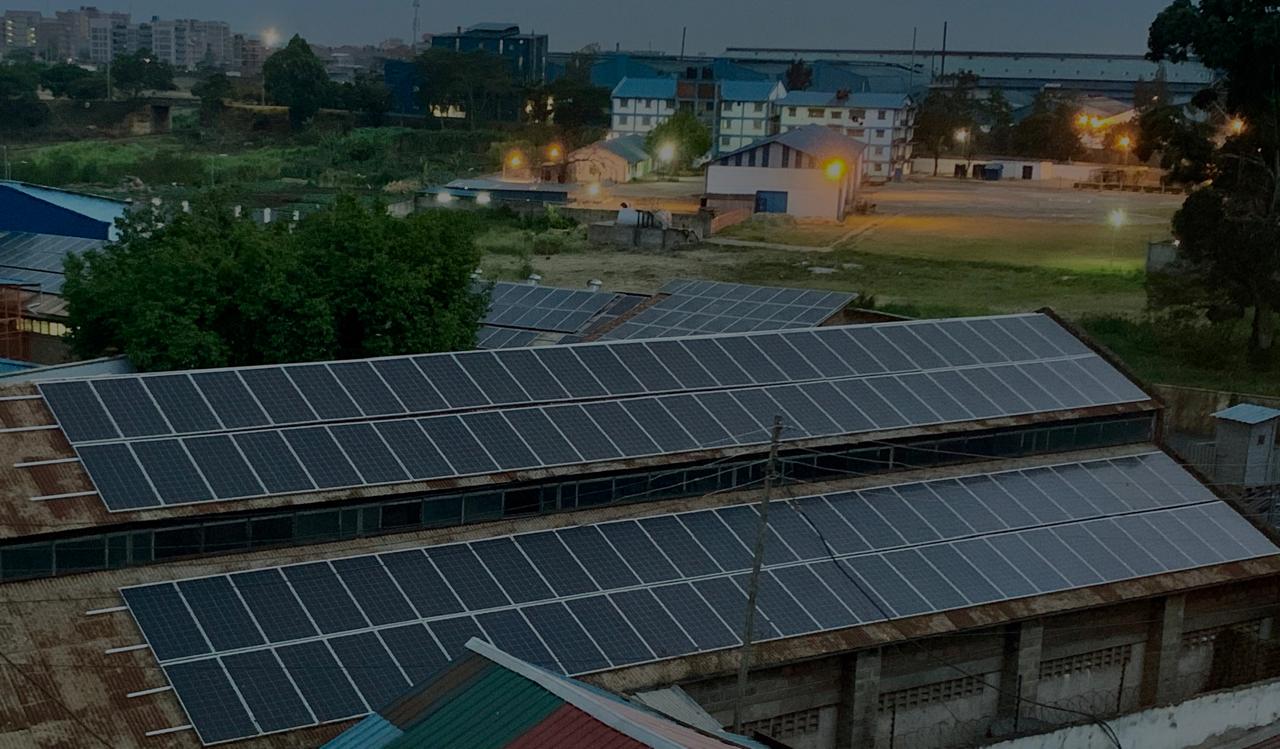
Ruiru Sports Club remains a mark of the town’s leisure history. Once a quiet golf course for a few, it now borders busy roads and expanding estates. Malls such as Nord, Adva, and Spur reflect growing consumer demand, while banks and microfinance institutions have taken notice, establishing tens of branches across the town. Solarized buildings with green roofing are beginning to dot the skyline, pointing to a shift toward sustainability and climate awareness.
The hospitality industry has not been left behind. Hotels such as Mark Hotel, Greenspot, Verona, and Rainbow have become familiar names to business travellers and conference organizers. These institutions offer both comfort and conference capacity, increasing Ruiru’s attractiveness as a semi-urban meeting hub.
There remains a strong case for coordinated and inclusive development. The town’s current trajectory is largely private-sector led, with government playing catch-up. Affordable housing programs are underway, but without accompanying infrastructure, they risk becoming vertical slums. Development needs to be inclusive and responsive to all income brackets, not just investors and upwardly mobile tenants.
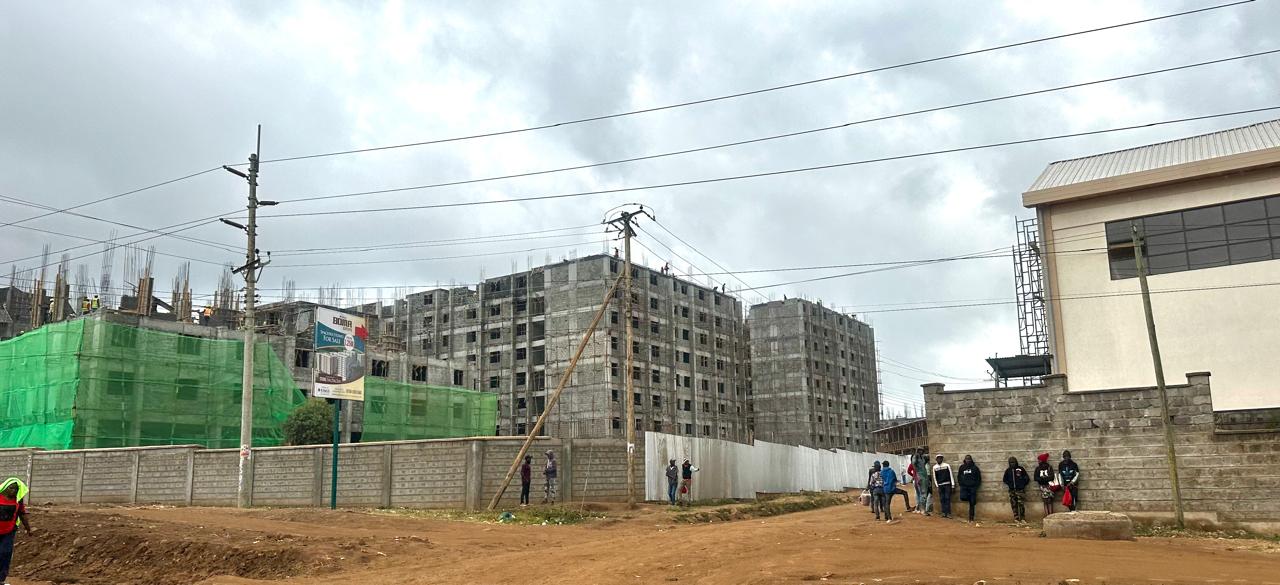
Some critical gaps persist. Road naming remains haphazard. Government offices exist but are scattered and poorly networked. There is no central civic square, no well-curated cultural space. Planning decisions often feel reactive rather than visionary.
Having visited cities such as Dubai, Mechelen – Netherlands, Porto – Portugal, Milan – Italy, Marseille – France and Lausanne – Switzerland, the contrast is both instructive and sobering. These cities, despite their differences, are deliberate in their urban planning. They have invested in mass transport, efficient zoning, green spaces, and cultural preservation. Ruiru must resist the temptation to expand without intent. Density without design is a future liability.
Another one: How Purple Tower is leading the charge in sustainable building practices in Nairobi
The opportunity is now. Ruiru is young, growing, and open to influence. It must not simply mirror Nairobi’s sprawl. It must learn from it and do better. Collective action is key. Residents, developers, policymakers, and civil society must engage in shaping Ruiru’s identity. To investors, the message is simple: Ruiru is no longer emerging, it has emerged. But the best plots are being taken quickly. Come while stocks last.
In the end, I still see glimpses of the old Ruiru. A matatu route named after a dusty village. A grandmother selling bananas by the roadside. Children running barefoot in spaces that still defy enclosure. Ruiru remains familiar, yet constantly reinventing itself. The town I knew is not gone. It is simply evolving.